Reporting Texas
News and features from UT-Austin's School of Journalism
byGabrielle Caumon and Ella Grady
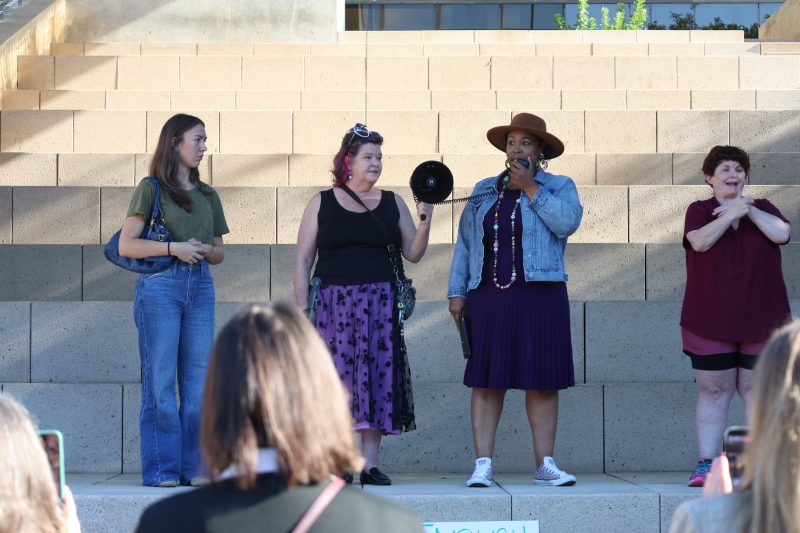
Sexual assault survivor Samantha McCoy led protesters at Austin City Hall on Thursday in the wake of the Jane Doe case at Cornell University — but insisted that her organizing efforts weren’t just for her. “We march for those who could not be here,” said McCoy, who organized Thursday’s protest at Austin City Hall. […]
bySamantha Rubin and Oisakhose Aghomo
As NASA prepares for more missions like Artemis ll, public interest in space has spiked again. But alongside the excitement is an uptick in skepticism doubting NASA’s achievements in online conversations. “Anything that has that level of attention… makes itself ripe for conspiracies,” said Asheley Landrum, an Arizona State University journalism and mass […]
byAlly Bonsall
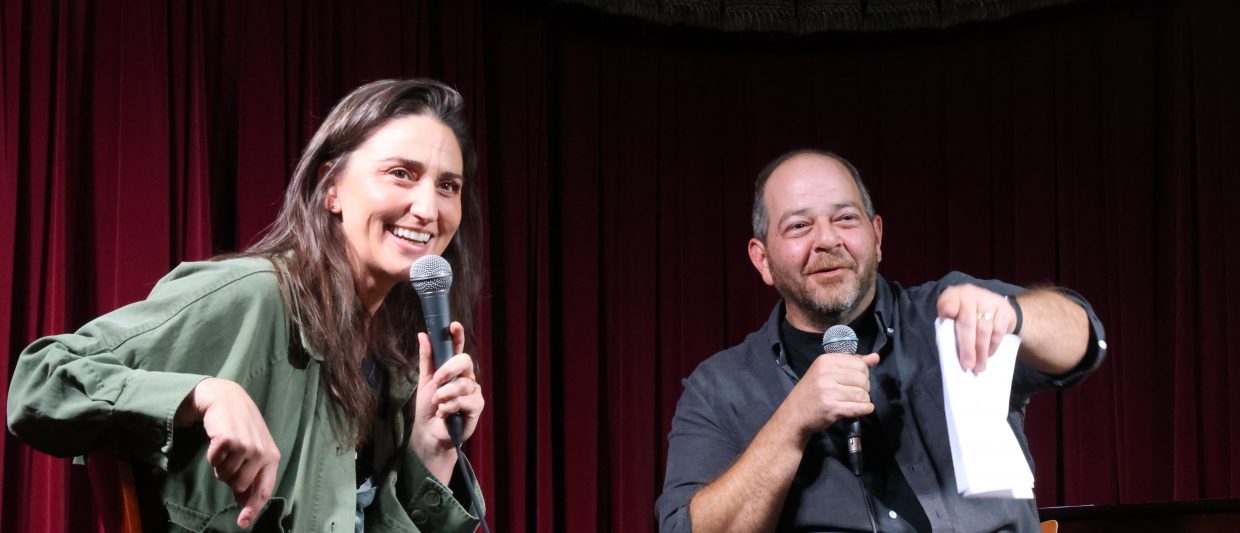
Following crises like the death of loved ones, IVF struggles and political turmoil, singer Sara Bareilles said she has learned that grief does not need to be fixed; it needs to be witnessed.
The Grammy Award-winning singer, actress and composer shared her ideas surrounding grief with students from the University of Texas School of Social Work at the Cactus Cafe on Tuesday.
“The experience of grief is so universal,” Bareilles said. “People are tethered to this network that we don’t talk about. We don’t realize it’s a deep point of connection always.”

byVikram Sundaram
Twitch streamer and left-wing pundit Hasan Piker called the University of Texas hypocritical in its policing of left-wing speech in his remarks to UT students Wednesday at the William C Powers Jr. Auditorium, his first major public appearance on a southern college campus.
“You can’t have an opinion outside of the permission structure.” Piker told the crowd, which UT officials counted as 301 people inside the 466-seat auditorium.
The speech came after a month of condemnations against the University Democrats by Texas officials critical of Piker’s criticism of Israel’s military operations in Gaza.
Piker argued that the university considered his “quite rational, quite reasonable, quiet peaceful commentary to be radical.”