
Reporting Texas
News and features from UT-Austin's School of Journalism
byVikram Sundaram
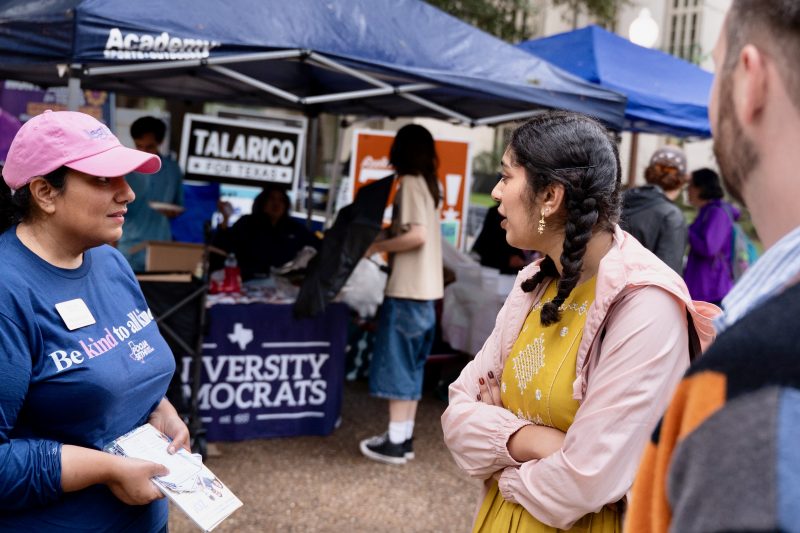
The day after Bo French lost his bid for Texas Railroad Commission to Democrat Jon Rosenthal, French attempted to spin his widely condemned social post targeting South Asian students at a Texas Longhorns football game — one of many flashpoints this election season that turned Texas blue.
French may be playing coy now, but South Austin candidates running for office certainly felt like he was taking aim at their communities.
“Thanks to Bo French, it’s kind of why we all have to step up and talk about why we’re here and why we’re all Texan and why we’re all American,” said Texas House District 47 Rep.-elect Pooja Sethi, an Austin Democrat who defeated Republican candidate Jennifer Mushtaler on election day.
byLucas Armbruster
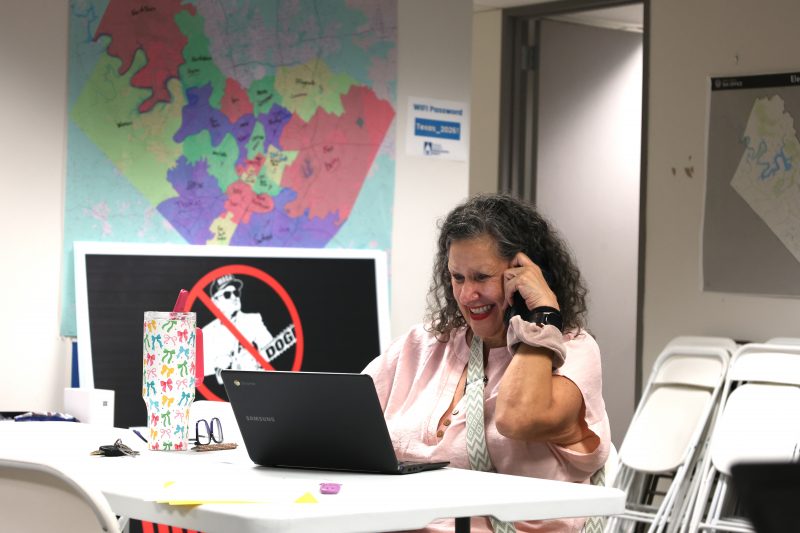
Inside the Travis County Democratic Party headquarters on Banister Lane, a constant hum of overlapping voices fills the room. Volunteers sit at folding tables, holding their phones and watching their laptop screens automatically cycle through numbers using Scale to Win, a cloud-based predictive phone dialing system.
“This is really an important time, and I’m really hoping for some change,” said George Vance McGee, a Travis County Democratic Party volunteer who returned to phone banking this election cycle after decades away from the headsets.
In the days before the Nov. 3 election, this high-volume dialer setup at Banister Lane represented the traditional, centralized approach of campaign field strategy. The Travis County Republican Party ran a different operation, highlighting two contrasting voter-mobilization strategies in Central Texas.
For phone banking volunteers, the challenge isn’t just navigating technical difficulties, but also weathering the emotional consequences of cold outreach. Out of every 10 calls dialed, only two or three result in an actual pick-up. The rest vanish into voicemails, disconnected numbers, or incorrect records.
byAdele Doat
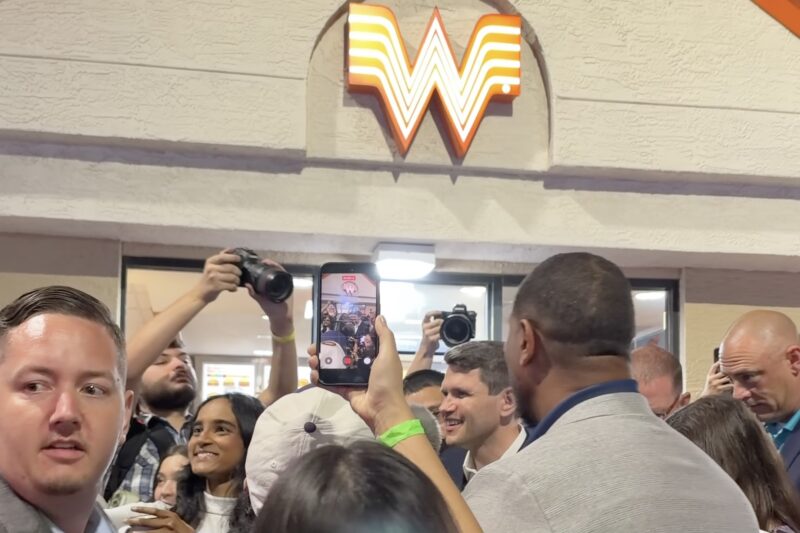
Whataburger is not the only emblematic Texas food brand James Talarico featured on his Instagram profile in the final stretch of the 2026 midterm election campaign.
byErika Gonzalez
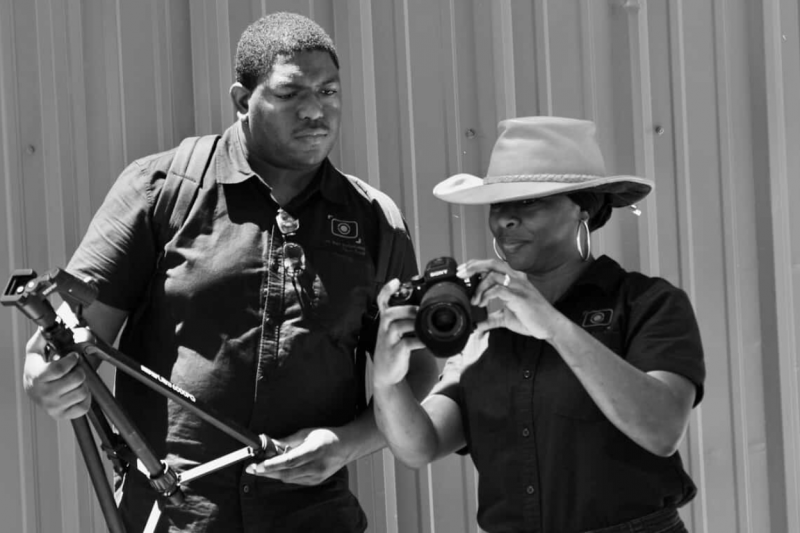
In the weeks leading up to December 2025, Cortena Williams, owner of a Burleson water damage restoration company, was reviewing proposals and preparing agreements she said could help build up her business. After years trying to establish herself in an industry dominated by larger contractors, she had moved closer to contracts with major public institutions, thanks in part to the state’s Historically Underutilized Business Program designed to help businesses owned by minorities and women compete for public contracts.
But then the Texas comptroller’s office issued emergency rules restructuring the HUB program and stripping women- and minority-owned businesses of their HUB certifications. Instead, the program’s focus shifted to helping businesses owned by veterans.
“The comptroller’s actions ended those conversations overnight, not because I wasn’t qualified, but because they eliminated a program that gave me a path to compete,” Williams said.