Reporting Texas
News and features from UT-Austin's School of Journalism
byAdele Doat
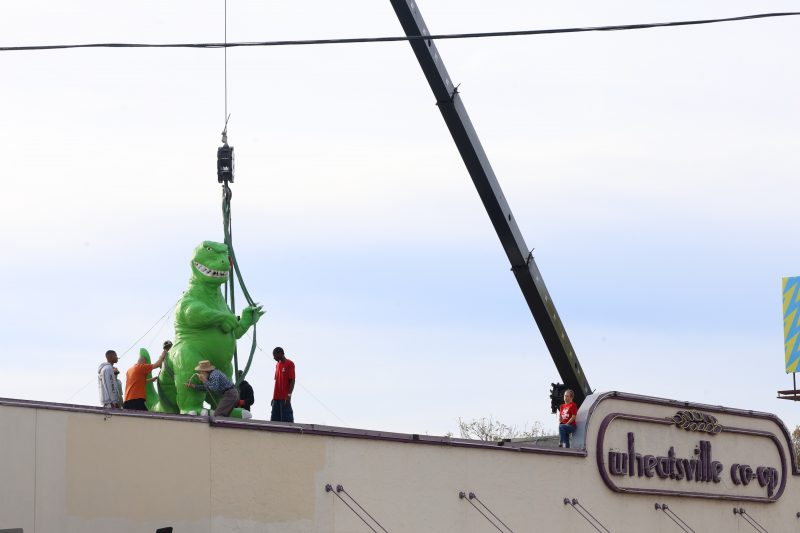
Halloween cobwebs cover empty shelves at the Wheatsville Co-op on Guadalupe Street, sending a message of quiet surrender to financial struggle for a store that has long held a special place in the community. “It seeps magic,” General Manager Tanya Carney said.
Sunday was the grocery store’s final day on Guadalupe. Founded in 1976 by a group of UT students, the co-op moved to Guadalupe Street in 1981, Carney said. From now on, Wheatsville will focus its efforts on its South Lamar Boulevard location, she said.
Declining revenue and feared disruption of the Project Connect Orange Rail Line prompted the store’s closure.
bySamantha Rubin and Oisakhose Aghomo
As NASA prepares for more missions like Artemis ll, public interest in space has spiked again. But alongside the excitement is an uptick in skepticism doubting NASA’s achievements in online conversations. “Anything that has that level of attention… makes itself ripe for conspiracies,” said Asheley Landrum, an Arizona State University journalism and mass […]
byGabrielle Caumon and Ella Grady
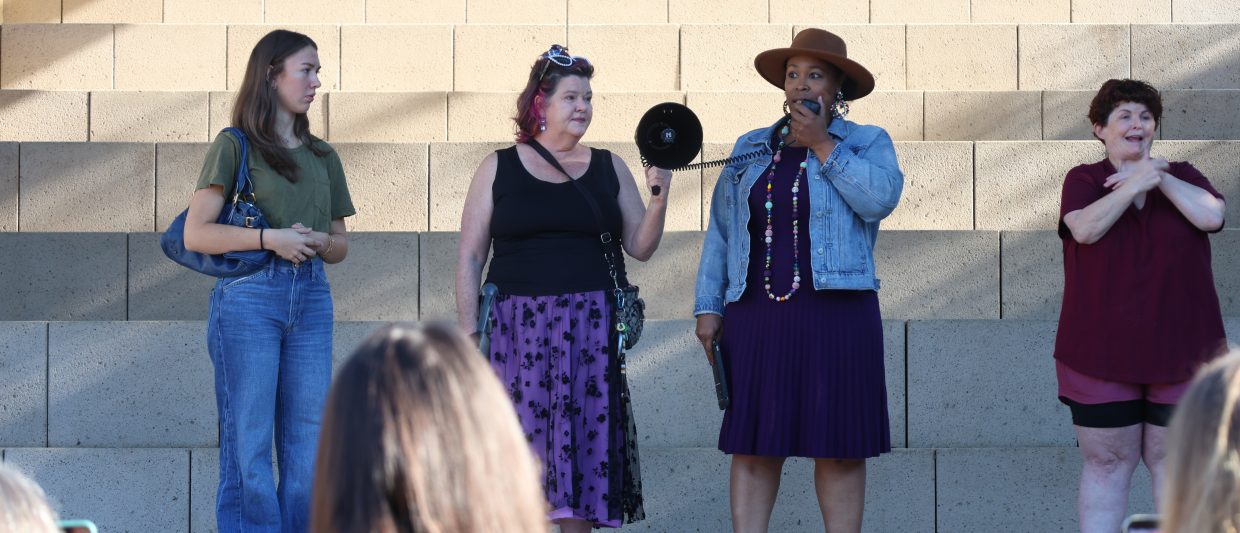
Sexual assault survivor Samantha McCoy led protesters at Austin City Hall on Thursday in the wake of the Jane Doe case at Cornell University — but insisted that her organizing efforts weren’t just for her. “We march for those who could not be here,” said McCoy, who organized Thursday’s protest at Austin City Hall. […]

byGraham Neal
A rowdy Austin crowd packed the Moody Center on Friday to watch an in-state NBA rivalry, offering yet another sign of the city’s enthusiasm for professional sports. The reigning Western Conference champion San Antonio Spurs and Houston Rockets squared off in each team’s second game of the season, with the Rockets earning a […]